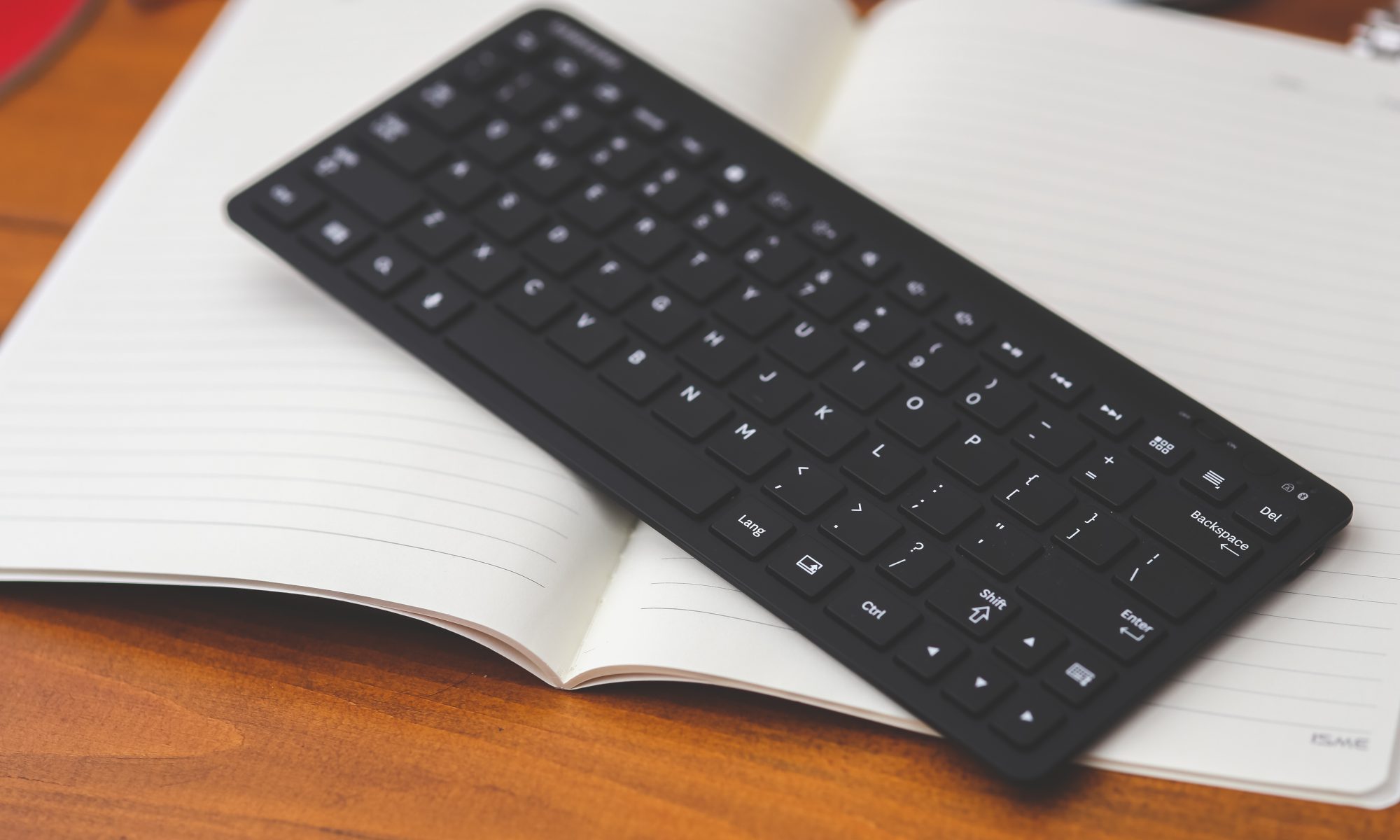
Almost out

whoa, I almost forgot to update this blog, btw if you are reading this, thanks for still following me

Posted from WordPress for Android

Linux Mint ‘Lisa’ – a release with the old GNOME look and feel

Linux Mint ‘Lisa’, a popular Ubuntu-based distro has been released! The most noticeable feature of Linux Mint is the inclusion of GNOME 3 desktop environment that emulates the look and feel of GNOME 2 desktop. Additionally ‘Lisa’ includes MATE, a GNOME 2 fork with various enhancements, including the ability to runge GNOME 2 and GNOME 3 on the same system.

The standard GNOME 3 installations comes with Mint GNOME Shell Extensions (MGSE), a desktop layer on top of GNOME 3 that makes possible to use the desktop environment in a traditional way.

Read more about Linux Mint 12 release.

AMD decTOP running Debian Squeeze

After upgrading my AMD decTOP with 160GB hdd, I’ve decided to install a fresh new operating system on it for some side-project that I’m working on. I choose to install Debian GNU/Linux 6.0.3 (Squeeze) on the machine.

The machine is currently running lighttpd web server with PHP5, samba server and sshd (using public-key authentication).

The specs of the machine are outlined in the screenshot.

dectop

You can read more information regarding AMD DecTOP on Wikipedia

Why I prefer Debian GNU/Linux for my web server…

Though I’ve used Ubuntu since 2005 and it has been my Linux distro of choice, I prefer to use Debian GNU/Linux for running web server on my VPS or a server at work. Why? because:

  • Debian is quicker to install
  • Debian is lightweight / uses less memory / feels faster
  • Debian doesn’t install XWindows by default
  • Debian feels more ‘hands-on’
  • Debian has the largest software repository

Although I recognize the *BSD is the best open source operating system for setting up a php/mysql web server, I still prefer Debian as my server operating system for its simplicity, besides… *BSD hates me… :)

p/s: I’m getting annoyed with Ubuntu Unity and GNOME Shell which I perceive as not only counter-productive, but also hogs the RAM and processor power. my netbook battery lasts 20minutes longer with Debian on LXDE.

Ubuntu: How to create a lot of entropy for GPG key generation from command line

Desktop Ubuntu users may have several ways to generate entropy relatively secure GPG keys (=>2048 bits), usually by moving the mouse and by typing random words. However this creates certain problem, for command-line user (especially those who are connecting through remote VPS connection).

Here’s a tip on how to produce enough entropy for GPG key generation:

  • apt-get install rng-tools
  • rngd -r /dev/urandom
  • then, proceed to generate GPG keys as usual: gpg –gen-key

Hopefully this tips will help you get by generating GPS keys over those VPS connections!